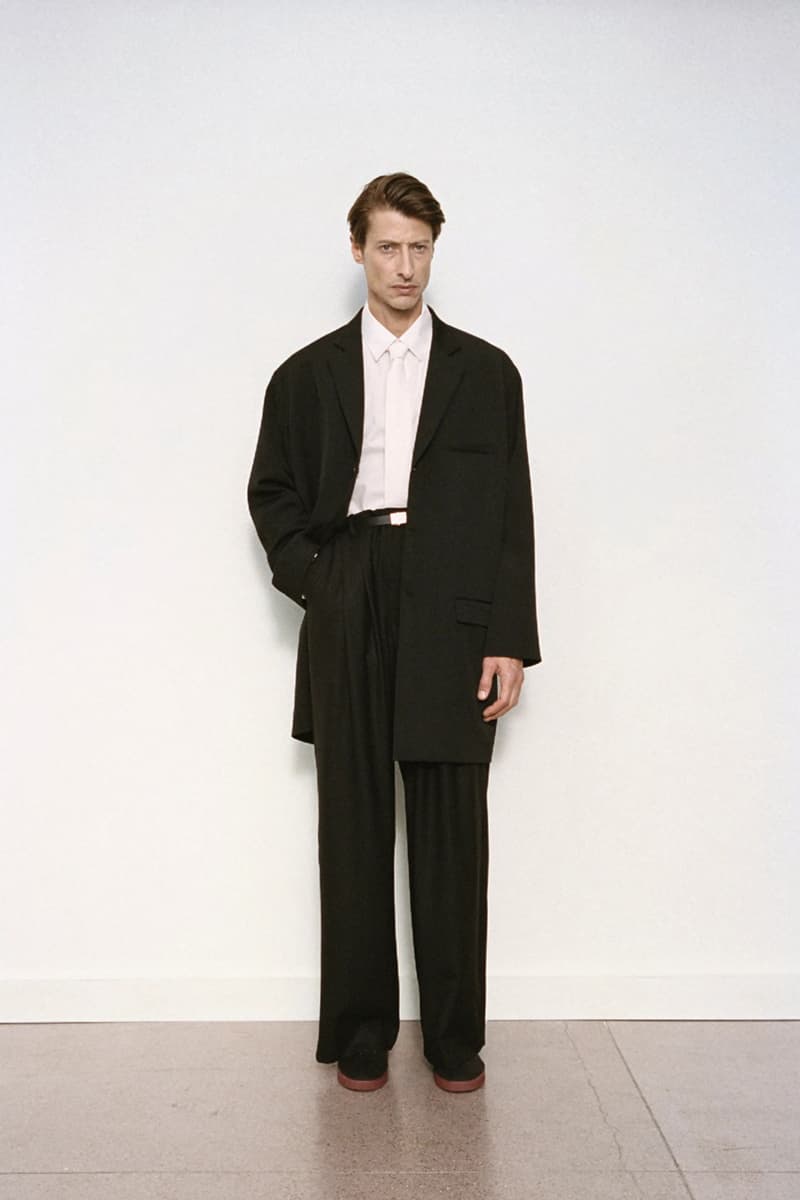

Within fashion, this label has carved out a odd yet coveted place. Launched by Mary-Kate and Ashley Olsen back in 2006, the house started out as a understated counterpoint to the din of famous-name fashion ventures and has developed into one of the most influential names in low-key luxury. No logo announces itself on the front of a bag, no branding is stitched visibly into a coat lapel — yet the cognoscenti recognize it instantly. The Row’s Paris runway presentations are notoriously minimal and deliberate, often without music or fanfare, allowing the clothing and accessories to do the talking. Such discipline has, ironically, become the brand’s most emphatic statement. Charting the shift of that show-floor austerity into street-level demand, particularly for row bags and row handbags, makes clear almost everything about fashion’s direction in 2026.
What makes this trajectory interesting is the gap between runway theatre and everyday wearability. Many houses show clothes that never leave the runway intact; The Row does the opposite. Its collections are engineered from the outset to be worn, carried, and repeated season after season. That philosophy has made the row fashion approach a case study in longevity over novelty, and nowhere is that more visible than in the brand’s handbag line, which has become the most searched, discussed, and resold category in rowoutlet.com/shoulder-bags its catalogue.
When The Row launched, minimalism in fashion was not the dominant mood it is now. That era, the mid-2000s, was anything but quiet: logos, ornamentation, low-rise silhouettes everywhere. Against that backdrop, the Olsens introduced tailored trousers, unmarked leather goods, and a colour palette that rarely strayed from black, cream, and camel. Six years went by before the label achieved genuine critical recognition, with editors slowly realizing that its minimal construction signified not diminished ambition but an altogether distinct kind of craft.
The early row bags reflected this same ethos. You wouldn’t find flashy hardware or monogrammed canvas, just sleek silhouettes and dense, premium leather. This was a deliberate departure from the “it bag” era, where recognisable logos were the primary driver of desirability. The Row bet that shoppers would eventually tire of overt status symbols and crave something subtler. That bet paid off, but slowly — it took nearly a decade for the wider market to catch up to what the brand was doing.
Stylists and editors had, by the early 2010s, grown devoted to the brand closely, prizing cut and fabric above logo-driven appeal. Elusive and seldom marked down, these garments stayed expensive, which merely heightened their exclusivity. For close to two decades, this approach to limited supply has remained largely intact, clarifying why an authentic markdown event is still considered rare rather than seasonally guaranteed.
If there is a single accessory credited with pulling The Row from insider secret to mainstream obsession, it’s the Margaux tote. Structured, unfussy, and instantly recognisable to those with an eye for such things, the Margaux emerged as shorthand for low-key luxury. Queries about where to buy the row margaux bag rose sharply on multiple occasions between 2019 and 2023, and by 2026 it continues to be one of the most sought-after styles among personal shoppers and resale platforms alike.
Versatility is at the heart of the Margaux’s draw. It comes across as a office bag, a travel piece, and an everyday off-duty bag depending on how it’s styled, which accounts for why it routinely shows up in lists of the top-rated row bags. Unlike many designer totes that favour shape over function, the Margaux was built with truly functional interior space, a detail practical buyers appreciate as much as aesthetes do.
Past the Margaux itself, other designs too have attained cult status. The Row’s smaller top-handle bags and soft-structure shoulder styles frequently show up in round-ups covering the top row bags of the past five years. What unites them isn’t a single silhouette but a consistent design language: understated hardware, considered proportions, and leather that ages well and gains character rather than deteriorating. As a result, the resale market for row bags notably strong — buyers hold onto them rather than reselling them fast, which maintains tight supply alongside steady demand.
Data from resale platforms and search trend trackers offers a useful, non-anecdotal view of how The Row’s accessories business has developed. Demand for row tote bags has risen consistently rather than surging at random, which is unusual in a fashion market often driven by viral moments. That steadiness suggests the appeal is built into the product itself — built on ongoing loyalty and sustained satisfaction — rather than trend-driven hype that fades within a season.
The table that follows summarises general positioning across three frequently cited style categories within The Row’s handbag range, based on openly available characteristics rather than fabricated numbers.
| Design Classification | Standard Usage Scenario | Level of Resale Demand | Signature Design Element |
|---|---|---|---|
| Structured Totes, such as Margaux | Work, travel, everyday use | High | Structured shape, minimal hardware |
| Softer Bags Worn on the Shoulder | Night-Out and off-duty styling | Fairly Strong to High | Softened leather, low-key strap detail |
| Petite Top-Handles | Quick Outings with layered outfits | Moderate | Small-scale proportions, crisp seams |
For shoppers putting together a row bags overview before buying, a breakdown like this is useful, given that the categories differ in both everyday practicality and long-term resale value. Structured totes tend to hold value most reliably because they’re the most photographed and requested, while the compact top-handle style are prized more for versatility than resale upside.
Runway shows set direction, but candid off-duty style is what actually cements a bag’s cultural relevance. Paparazzi and street-style photographers have spent years documenting editors, stylists, and off-duty models carrying the row bag of the moment outside shows in Paris, Milan, and New York. Such unposed photos have possibly done more to drive interest in the row handbags than formal campaign imagery ever could, because they reveal the products functioning in everyday settings — hung off a shoulder, tucked under an arm, worn with jeans instead of couture.
This grassroots attention has generated a feedback loop. As these candid photos spread more widely, more shoppers hunt for specific styles, which drives up resale prices, which in turn increases the sense of exclusivity of owning the bag in the first place. It’s a self-sustaining cycle that hardly any label can keep going for more than a few seasons, yet The Row has sustained it for nearly two decades without needing loud marketing campaigns to sustain it.
Industry observers have also noted that The Row seldom leans on gifting bags to celebrities or influencers in the way many modern brands do. Most of this exposure appears organic, built from genuine personal purchases rather than sponsored deals. Whether or not every instance is unpaid, the brand’s public image benefits from seeming genuine rather than commercially driven, which matters enormously to the quiet-luxury shopper who is often skeptical of overt advertising.
Heading into 2026, The Row shows no signs of loosening its grip on the quiet-luxury segment. In fact, competitors have spent the last few years attempting to copy its formula — understated branding, premium materials, restrained runway presentations — with mixed success. Few have matched the consistency of The Row’s design language across seasons, which remains its biggest competitive advantage.
Anyone on the lookout for a genuine row sale, it’s important to realize that discounts rarely happen, and when they do occur, they’re usually modest—tied to end-of-season clearance rather than aggressive discounting.
This scarcity is intentional and has preserved the label’s brand identity firmly in place even as broader luxury markets have contended with cost inflation and changing shopper mood.
Looking forward, expect ongoing growth of accessory lines rather than radical overhaul. The label’s growth strategy has always favoured steady, small-scale evolution over disruption, introducing new color variations or understated design refinements to established best-selling styles instead of chasing trend cycles. That reliability is exactly what matters for those building a long-term wardrobe around timeless pieces — and that’s the reason The Row’s evolution from runway oddity to street-level staple keeps feeling less like a fleeting trend and more like a permanent shift in how understated luxury is characterized.